Dental pain can be one of the most uncomfortable experiences a person can face. When the pain becomes severe or persistent, a dentist may recommend a root canal treatment to save the natural tooth and eliminate infection. For many patients in Ontario, one of the first questions that comes to mind is the cost of treatment and whether it is the right choice for their dental health.
If you live in Brampton or nearby areas and are searching for reliable information about root canal treatment, understanding the procedure, its cost, and its long-term benefits can help you make an informed decision. In this blog, we will explain everything you need to know about root canal costs in Brampton, what factors influence the price and why professional dental care is important.
What Is a Root Canal Treatment?
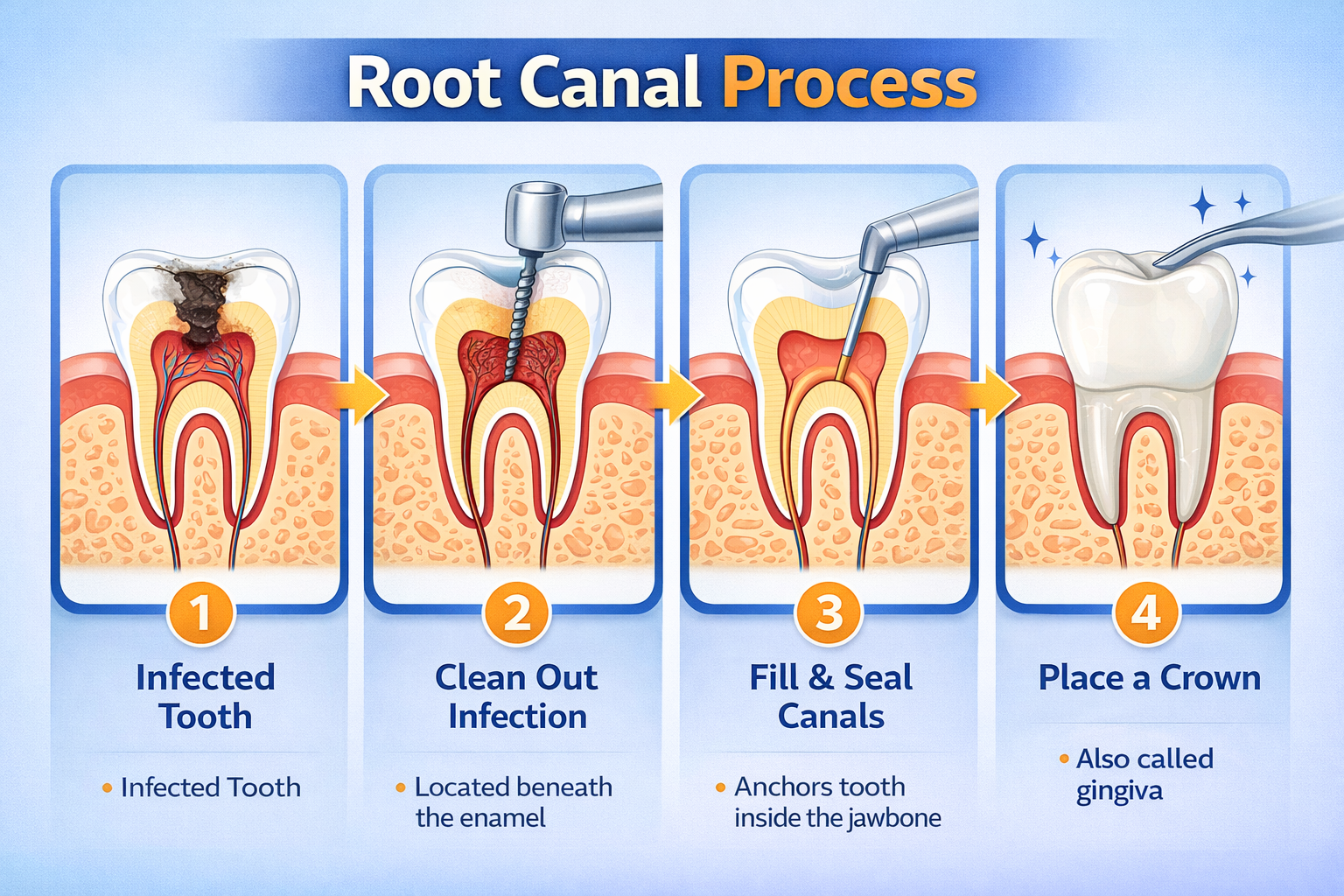
A root canal is a dental procedure used to treat infection or damage inside a tooth. Each tooth contains soft tissue called pulp, which includes nerves and blood vessels. When the pulp becomes infected due to deep decay, cracks, trauma, or repeated dental procedures, it can cause intense pain and swelling.
During a root canal treatment, the dentist removes the infected pulp, carefully cleans and disinfects the inside of the tooth, and then seals it to prevent further infection. In most cases, the tooth is restored with a filling or crown to protect it and restore normal function.
Root canal therapy allows patients to keep their natural tooth instead of having it extracted, which helps maintain proper chewing ability and alignment of surrounding teeth.
Average Cost of a Root Canal in Brampton
The cost of a root canal in Brampton, Ontario can vary depending on several factors, including the type of tooth being treated and the complexity of the procedure.
On average, patients in Ontario can expect the following price ranges:
- Front tooth root canal: $500 – $900
- Premolar root canal: $700 – $1,100
- Molar root canal: $900 – $1,500
Molars usually cost more because they have multiple roots and canals, which makes the treatment more complex and time-consuming.
These estimates generally include the root canal procedure itself but may not always include additional treatments such as X-rays, consultations, or dental crowns that may be required afterward.
Dental insurance plans often cover part of the cost, which can significantly reduce out-of-pocket expenses for patients.
Also read: What To Expect From Root Canal Treatment
Factors That Affect Root Canal Costs
Several factors can influence the final cost of a root canal treatment in Brampton.
- Type of Tooth
Teeth located at the back of the mouth (molars) typically have three or four canals, while front teeth usually have only one canal. More canals mean a more complex procedure and higher cost. - Severity of Infection
If the infection has spread extensively or caused an abscess, additional procedures may be required to clean the infection, increasing the cost. - Need for a Dental Crown
After a root canal, many teeth—especially molars—require a crown to restore strength and prevent fractures. This additional restoration can add to the overall treatment cost. - Diagnostic Imaging and Tests
X-rays or advanced imaging may be necessary to properly diagnose the infection and guide treatment. - Dentist’s Experience and Technology
Clinics that use advanced dental technology, modern equipment, and highly trained specialists may charge slightly higher fees but often provide more precise and comfortable treatment.
What Are the First Signs of Needing a Root Canal?
Recognizing early symptoms of tooth infection can help prevent severe damage and complications.
Patients often ask, What are the first signs of needing a root canal? Some common warning signs include:
- Persistent tooth pain or pressure
- Sensitivity to hot or cold temperatures
- Swollen or tender gums near the affected tooth
- Darkening or discoloration of the tooth
- Pain when chewing or biting
- A small pimple-like bump on the gums
If you experience any of these symptoms, it is important to visit a dentist promptly. Early diagnosis can help prevent the infection from spreading and may reduce treatment complexity.
Is It Worth Paying for a Root Canal?
Many patients wonder whether saving a tooth is truly worth the cost. A common question dentists hear is: Is it worth paying for a root canal?
In most cases, the answer is yes.
Root canal treatment allows you to preserve your natural tooth structure. Keeping your natural teeth helps maintain proper bite alignment, jaw health, and chewing function.
If a damaged tooth is extracted instead of treated, patients may require additional procedures such as dental implants, bridges, or dentures to replace the missing tooth. These options can often be more expensive than root canal therapy.
By saving the tooth, a root canal often provides a long-term and cost-effective solution for dental health.
Also read: Does Turmeric Stain Teeth
Do I Need a Crown After a Root Canal?
Another common concern patients have after treatment is: Do I need a crown after a root canal?
In many cases, yes—especially for back teeth.
After a root canal, the tooth can become more fragile because the infected pulp has been removed. A dental crown acts like a protective cap that strengthens the tooth and restores its shape and function.
Front teeth sometimes do not require crowns if enough healthy tooth structure remains, but molars and premolars typically benefit from the additional protection.
Your dentist will evaluate the condition of the tooth and recommend the best restoration option.
How Long Do Root Canals Last Without a Crown?
Some patients delay getting a crown after a root canal due to cost or scheduling concerns. This raises another common question: How long do root canals last without a crown?
While the treated tooth may function temporarily without a crown, it is more vulnerable to cracking or breaking. Without proper protection, the tooth can weaken over time.
In many cases, dentists recommend placing a crown within a few weeks or months after the root canal to ensure long-term durability and prevent future damage.
Timely restoration helps extend the life of the treated tooth and protects your investment in dental care.
Are Fillings Better Than Root Canals?
Patients sometimes ask: Are fillings better than root canals?
The truth is that these treatments serve different purposes.
A dental filling is used to repair minor tooth decay that has not reached the inner pulp of the tooth. Root canals, on the other hand, are required when the decay or infection has reached the pulp and caused significant damage.
If the infection has spread to the pulp, a filling alone will not resolve the issue. In fact, delaying proper treatment could allow the infection to worsen and lead to tooth loss.
Dentists always aim to preserve as much of the natural tooth as possible, which is why early dental checkups are important.
Benefits of Root Canal Treatment
Root canal therapy offers several important advantages for patients dealing with infected teeth.
- Pain Relief: Despite common myths, root canal treatment is designed to relieve pain caused by infection. Modern techniques and anesthesia make the procedure comfortable for most patients.
- Preserves Natural Teeth: Saving your natural tooth helps maintain proper alignment and prevents surrounding teeth from shifting.
- Restores Normal Function: After treatment and restoration, patients can chew and speak normally again.
- Prevents Infection Spread: Removing the infected pulp prevents bacteria from spreading to nearby teeth, gums, and jawbone.
How to Reduce Root Canal Costs
While root canal treatment is an important investment in dental health, there are ways to manage the cost.
- Dental Insurance: Many Canadian dental insurance plans cover a portion of root canal treatment, especially if it is considered medically necessary.
- Payment Plans: Some dental clinics offer flexible payment options or financing plans to make treatment more affordable.
- Preventive Care: Regular dental cleanings, checkups, and good oral hygiene habits can help prevent severe decay that leads to root canals.
Preventive care is often far less expensive than restorative procedures.
Why Choosing the Right Dental Clinic Matters
Selecting a reputable dental clinic in Brampton is an important step when considering root canal treatment. Experienced dentists use modern techniques and diagnostic tools to ensure accurate treatment and patient comfort.
A trusted clinic will also take the time to explain treatment options, costs, and long-term dental health considerations so that patients can feel confident about their care.
Professional dental teams focus on personalized treatment plans tailored to each patient’s needs.
Final Thoughts
Root canal treatment plays a crucial role in saving damaged or infected teeth. While the cost of a root canal in Brampton can vary depending on the tooth and complexity of treatment, the procedure often provides a valuable long-term solution for preserving oral health.
Understanding the symptoms of infection, the treatment process, and the benefits of restoring the tooth can help patients make confident decisions about their dental care.
If you are experiencing tooth pain or suspect an infection, seeking professional dental advice early can prevent more serious complications and help protect your natural smile.
Book your appointment today to receive expert guidance and take the first step toward restoring your dental health.
FAQ’s
Is a root canal more expensive than a tooth extraction?
A root canal procedure may cost more than a simple extraction initially, but it often saves money in the long term. Removing a tooth may require additional treatments like dental implants, bridges, or dentures, which can be significantly more expensive than preserving the natural tooth with a root canal.
Does dental insurance cover root canal treatment in Ontario?
Many dental insurance plans in Ontario cover a portion of root canal treatment, especially when the procedure is medically necessary. The level of coverage depends on the insurance provider, annual limits, and the specific dental plan.
What are the first signs that you may need a root canal?
Common early signs include persistent tooth pain, sensitivity to hot or cold foods, swollen gums, tooth discoloration, and pain while chewing. If these symptoms occur, it is important to visit a dentist promptly for evaluation.
Is root canal treatment painful?
Root canal treatment is generally not painful because dentists use local anesthesia during the procedure. Modern dental techniques make the process comfortable, and most patients experience relief from the pain caused by the infection.
Do all root canal-treated teeth need a crown?
Not all teeth require a crown after a root canal, but molars and premolars usually do. These teeth experience more chewing pressure and need extra protection to prevent fractures. Your dentist will recommend the best restoration based on the tooth’s condition.
How long does a root canal-treated tooth last?
With proper care and restoration, a root canal-treated tooth can last many years or even a lifetime. Good oral hygiene, regular dental checkups, and timely placement of a crown can help extend the life of the treated tooth.
Can a root canal-treated tooth break without a crown?
Yes, a tooth that has undergone a root canal can become more fragile over time. Without a crown, the risk of cracking or breaking increases, especially for back teeth that handle most chewing pressure.
Are fillings better than root canals?
Fillings and root canals serve different purposes. Fillings repair minor tooth decay, while root canal treatment is required when the infection reaches the tooth’s inner pulp. If the pulp is infected, a filling alone will not solve the problem.
How can I reduce the cost of a root canal?
You may reduce costs by using dental insurance, choosing clinics that offer payment plans, and seeking treatment early before the infection becomes more complex. Preventive dental care and routine checkups can also help avoid major dental procedures.
