TMJ Disorder Treatment in Brampton

Relief for Jaw Pain, Tension, and Discomfort

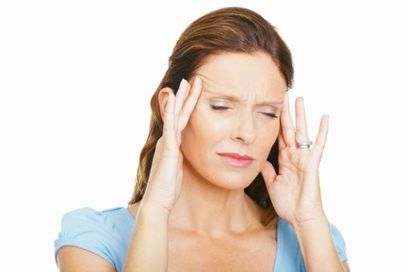
At Hakeem Dental, we understand how painful and frustrating TMJ disorders can be. Jaw pain, headaches, clicking sounds, and difficulty chewing can affect your daily comfort and quality of life. Our team provides personalized TMJ disorder treatment in Brampton to help reduce discomfort, improve jaw function, and support your long-term oral health.

TMJ disorders can develop gradually or suddenly and may worsen if left untreated. Whether your symptoms are mild or severe, early diagnosis and treatment can help prevent ongoing pain, jaw stiffness, and additional complications.

If you are searching for professional care for TMJ disorders in Brampton, our experienced dental team is here to help you find lasting relief with compassionate and personalized care.

TMJ Disorder Treatment in Brampton

What Are TMJ Disorders?

TMJ stands for temporomandibular joint, which connects your jaw to the skull and allows you to speak, chew, and move your mouth comfortably. TMJ disorders occur when the jaw joints or surrounding muscles become strained, inflamed, or misaligned.

These conditions can affect one or both sides of the jaw and may cause discomfort during everyday activities such as eating, talking, or yawning.

Common Causes of TMJ Disorders

TMJ disorders can develop for several reasons.

Teeth Grinding & Clenching

Grinding or clenching your teeth, especially during sleep, places excessive pressure on the jaw joints and surrounding muscles.

Jaw Injury

An injury or trauma to the jaw can damage the temporomandibular joint and lead to pain or limited movement.

Stress & Muscle Tension

Stress can contribute to jaw clenching and muscle tension, increasing strain on the TMJ area.

Bite Misalignment

An uneven bite or misaligned teeth may place added stress on the jaw joints over time.

Arthritis

Certain forms of arthritis can affect the jaw joints and lead to inflammation and discomfort.

Symptoms of TMJ Disorders

Patients with TMJ disorders may experience:

  • Jaw pain or tenderness
  • Clicking or popping sounds in the jaw
  • Difficulty opening or closing the mouth
  • Headaches or migraines
  • Facial pain or pressure
  • Ear pain or ringing in the ears
  • Jaw locking
  • Pain while chewing
  • Neck or shoulder tension

If these symptoms become frequent or interfere with daily life, professional evaluation is recommended.

How We Diagnose TMJ Disorders

At Hakeem Dental, we begin with a detailed examination to identify the cause of your jaw discomfort.

Oral & Jaw Examination

We evaluate your jaw movement, bite alignment, and areas of tenderness or tension.

Review of Symptoms

Our team discusses your symptoms, jaw habits, and medical history to better understand the condition.

Digital Imaging

X-rays or additional imaging may be recommended to examine the jaw joints and surrounding structures more closely.

TMJ Disorder Treatment Options

Treatment depends on the severity of your symptoms and the underlying cause of the condition.

Custom Night Guards

Patients who grind or clench their teeth may benefit from a custom night guard to reduce pressure on the jaw joints and protect the teeth.

Bite Adjustment

In some cases, correcting bite alignment issues can help reduce stress on the TMJ.

Muscle Relaxation & Jaw Care Recommendations

We may recommend lifestyle adjustments, jaw exercises, or techniques to reduce muscle tension and discomfort.

Restorative Dental Treatment

Damaged or missing teeth that affect bite balance may contribute to TMJ symptoms and may require restorative treatment.

Referral for Advanced Care

For complex cases, additional therapies or specialist referrals may be recommended.

Tips to Help Manage TMJ Symptoms

Our team may suggest:

  • Avoiding hard or chewy foods temporarily
  • Applying warm compresses to the jaw
  • Reducing stress and jaw tension
  • Avoiding excessive gum chewing
  • Practicing gentle jaw exercises
  • Wearing a night guard if recommended

Early care and preventive treatment can help reduce long-term jaw problems.

Why Choose Hakeem Dental for TMJ Treatment in Brampton?

Patients trust Hakeem Dental because we focus on personalized and patient-centered care.

Experienced Dental Team

Our team carefully evaluates jaw function and develops customized treatment plans for TMJ-related discomfort.

Comfortable & Supportive Environment

We understand how painful TMJ disorders can be and aim to provide a calm and supportive experience.

Modern Diagnostic Technology

Our clinic uses advanced tools to help accurately assess jaw and bite concerns.

Personalized Treatment Plans

Every patient’s condition is unique, and we tailor treatment to individual needs and symptoms.

Focus on Long-Term Relief

Our goal is to reduce discomfort, improve jaw movement, and support better oral health and daily comfort.

Find Relief From TMJ Pain Today

Jaw pain and TMJ discomfort should not interfere with your everyday life. At Hakeem Dental, we provide professional TMJ disorder treatment in Brampton to help patients feel more comfortable and improve jaw function.

Whether your symptoms are caused by teeth grinding, bite issues, stress, or jaw tension, our dental team is here to help you receive the care you need.

Book your appointment today and take the first step toward lasting TMJ relief.

Frequently Asked Questions

What does TMJ stand for?

TMJ stands for temporomandibular joint, which is the joint that connects your lower jaw to your skull. This joint allows you to speak, chew, yawn, and move your mouth comfortably. When the joint or surrounding muscles become strained or irritated, it can lead to pain, stiffness, and other symptoms commonly referred to as TMJ disorders.

What are the common symptoms of TMJ disorders?

TMJ disorders can cause a variety of symptoms that affect daily comfort and jaw function. Common signs include jaw pain, clicking or popping sounds, headaches, facial pressure, ear pain, jaw stiffness, and difficulty chewing. Some patients may also experience jaw locking or discomfort when opening and closing the mouth. Symptoms can range from mild to severe depending on the condition.

Why does my jaw click or pop when I open my mouth?

Jaw clicking or popping may occur when the jaw joint is not moving smoothly or when the disc inside the joint shifts during movement. In some cases, clicking may happen without pain, while in others it may be accompanied by discomfort, stiffness, or limited jaw movement. Persistent clicking or popping should be evaluated by a dental professional.

Can teeth grinding cause TMJ problems?

Yes, teeth grinding and jaw clenching are common causes of TMJ disorders. Constant pressure on the jaw joints and surrounding muscles can lead to inflammation, tension, headaches, and jaw pain over time. Many people grind their teeth during sleep without realizing it, which is why a professional evaluation is important if symptoms continue.

Can TMJ disorders cause headaches and ear pain?

Yes, TMJ disorders can contribute to headaches, facial pain, earaches, and even neck or shoulder tension. The jaw joints and surrounding muscles are closely connected to nearby nerves and muscles, which means strain in the TMJ area can create discomfort in other parts of the face and head.

What causes TMJ disorders?

TMJ disorders can develop for several reasons, including teeth grinding, jaw injuries, stress-related clenching, bite misalignment, arthritis, or muscle tension around the jaw. In some cases, multiple factors may contribute to the condition. A proper dental examination helps determine the underlying cause and the best treatment approach.

How are TMJ disorders treated?

Treatment for TMJ disorders depends on the severity of symptoms and the cause of the condition. Common treatment options may include custom night guards, bite adjustments, jaw exercises, stress management recommendations, and restorative dental treatment if needed. Our team creates personalized treatment plans designed to reduce pain and improve jaw function.

Will TMJ pain go away on its own?

Mild TMJ discomfort may improve temporarily, especially if caused by temporary stress or muscle strain. However, persistent jaw pain, headaches, jaw locking, or difficulty chewing should not be ignored. Without treatment, symptoms may worsen over time and affect daily comfort and oral health.

Can stress make TMJ symptoms worse?

Yes, stress is one of the most common contributors to TMJ discomfort. Many people clench their jaw or grind their teeth during stressful situations or while sleeping, which increases pressure on the jaw joints and muscles. Managing stress and reducing jaw tension can help improve symptoms for many patients.

Can a night guard help with TMJ disorders?

A custom night guard can help reduce pressure on the jaw joints by preventing teeth grinding and clenching during sleep. Night guards are designed to protect the teeth while allowing the jaw muscles to relax more comfortably. Many patients experience relief from jaw pain, headaches, and muscle tension after consistent use.

When should I see a dentist for TMJ pain?

You should schedule a dental evaluation if you experience ongoing jaw pain, frequent headaches, clicking or popping sounds, jaw locking, difficulty chewing, or facial tension. Early diagnosis and treatment can help prevent symptoms from becoming more severe and improve long-term jaw health.

How do I book a TMJ consultation in Brampton?

If you are experiencing jaw pain, headaches, or signs of a TMJ disorder, you can contact us to schedule a consultation. Our team will evaluate your symptoms, discuss treatment options, and create a personalized plan to help improve your comfort and jaw function.

1 Step 1
Book an Appointment
Choose Location:
Are you a new or existing patient?
Timeof appointment
access_time
reCaptcha v3
keyboard_arrow_leftPrevious
Nextkeyboard_arrow_right
FormCraft - WordPress form builder