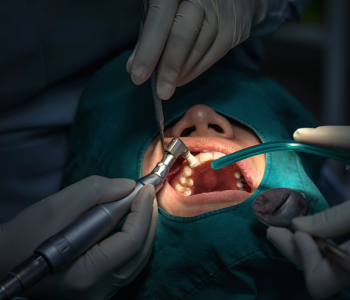
Root canal treatment often sounds intimidating, especially if you have heard stories about pain, lengthy recovery, or concerns about its safety. These misconceptions can make patients nervous about seeking dental care, even when treatment may help relieve discomfort and preserve a natural tooth.
The reality is that modern root canal treatment is designed to remove infected or inflamed tissue from inside a tooth, clean the root canal system, and seal it to help prevent further infection. With appropriate treatment and restoration, many teeth can continue to function for years.
At Hakeem Dental, we believe patients should feel comfortable asking questions and understanding their treatment options. Let’s look at some common myths about root canal treatment and the facts that can help you make an informed decision about your oral health.
What Are the Most Common Myths About Root Canal Treatment?
Understanding the difference between dental facts and common misconceptions can help reduce unnecessary anxiety. Here are six myths patients may encounter when considering root canal treatment.
Myth 1: Is Root Canal Treatment Extremely Painful?
Fact: Modern root canal treatment is designed to relieve pain, not cause it.
One of the most common misconceptions is that root canal treatment is an extremely painful procedure. This belief often comes from outdated experiences or stories about dental treatment from years ago.
Today, dentists use local anaesthesia to numb the affected area during treatment. You may feel pressure or movement, but you should not have to endure significant pain during the procedure. If you experience discomfort, tell your dentist so they can assess the situation and make appropriate adjustments.
The pain that leads someone to need a root canal is often caused by inflammation or infection inside the tooth. Treating the affected tissue can help address the source of that pain.
Myth 2: Can Root Canal Treatment Make You Sick?
Fact: There is no credible scientific evidence that properly performed root canal treatment causes systemic diseases.
Some online claims suggest that root canal treatment can cause illnesses elsewhere in the body. These claims are associated with outdated theories that have not been supported by modern scientific evidence.
Root canal treatment is intended to remove infected or inflamed tissue, clean the inside of the tooth, and seal the canal system. The purpose is to manage the dental infection while preserving the natural tooth.
As with any dental procedure, individual circumstances matter. Your dentist can explain the benefits, potential risks, and alternatives based on your oral health.
Myth 3: Is It Better to Have a Tooth Removed Than Get a Root Canal?
Fact: Preserving a natural tooth is often preferable when it can be treated successfully.
Some patients assume that extraction is a simpler or healthier option than root canal treatment. However, removing a tooth is not always necessary when the tooth can be restored.
Root canal treatment may allow you to keep your natural tooth while addressing infection or inflammation inside it. Extraction may be appropriate when a tooth is too damaged to restore or has a poor prognosis.
If a tooth is removed, you may also need to consider replacement options, such as a bridge or dental implant, depending on your needs. Your dentist can explain the advantages and limitations of each approach before you decide.
Myth 4: Does a Root Canal Weaken Your Tooth Permanently?
Fact: A tooth may need additional protection after root canal treatment, depending on how much natural structure remains.
Root canal treatment removes the affected tissue inside the tooth, but it does not automatically make every treated tooth fragile. The condition of the tooth before treatment and the amount of remaining structure play important roles in its long-term strength.
Teeth with extensive decay, large existing fillings, or significant damage may need a crown to provide additional support. A crown covers the visible portion of the tooth and helps restore its shape and function.
Your dentist will determine which restoration is suitable for your tooth. You can also read about how dental crowns protect and restore damaged teeth to understand why the final restoration matters.
Myth 5: Does Recovery After Root Canal Treatment Take a Long Time?
Fact: Many patients return to their usual activities quickly, although recovery varies.
It is common to experience some tenderness or sensitivity after root canal treatment, particularly if the tooth was painful or infected before the appointment. This discomfort is generally temporary and should gradually improve.
Your dentist may recommend suitable pain relief and provide instructions for caring for the treated tooth. You may also be advised to avoid chewing hard foods on the tooth until the permanent restoration is completed.
Contact your dentist if pain becomes severe, swelling develops, or symptoms persist or worsen rather than improving. These signs may require further assessment.
Myth 6: Does a Root Canal Guarantee That a Tooth Will Never Have Problems Again?
Fact: Root canal treatment has a good success rate, but ongoing care is still important.
Root canal treatment can help preserve a tooth, but it cannot guarantee that the tooth will never develop another problem. New decay, a damaged restoration, a crack, or persistent infection can affect a treated tooth.
Protecting the tooth with the recommended restoration, maintaining good oral hygiene, and attending regular dental examinations can help support long-term results.
If symptoms return after treatment, your dentist can examine the tooth and determine whether additional treatment is needed.
When Might You Need Root Canal Treatment?
Root canal treatment may be recommended when the pulp inside a tooth becomes inflamed or infected. The pulp contains nerves, blood vessels, and connective tissue.
Common causes of pulp damage include:
- Deep tooth decay
- Cracks or fractures that expose the inner tissues
- Dental injuries
- Repeated dental procedures on the same tooth
- Damage that allows bacteria to reach the pulp
Symptoms can vary. Some patients experience persistent tooth pain, sensitivity to hot or cold, discomfort when biting, or swelling around the gums. Others may have an infection without noticeable pain.
An examination helps determine the cause of the problem. Dental X-rays may also be needed to assess the tooth and surrounding structures.
If you have severe tooth pain or suspect an infection, prompt assessment is important. You can learn more about emergency dental care in Brampton and when urgent dental attention may be necessary.
What Happens During Root Canal Treatment?
Knowing what to expect can make the procedure feel less intimidating. Although the exact process depends on the tooth and the complexity of the infection, root canal treatment generally involves several steps.
- Examination and diagnosis
Your dentist examines the tooth, reviews your symptoms, and may take X-rays to determine the extent of the problem.
- Numbing the affected area
Local anaesthesia is used to help keep you comfortable during treatment.
- Removing the affected pulp
The dentist creates an opening in the tooth and removes the infected or inflamed pulp tissue.
- Cleaning and sealing the canals
The root canal system is cleaned, shaped, and sealed to help prevent bacteria from re-entering the tooth.
- Restoring the tooth
A filling or another restoration is used to close the opening. Depending on the tooth’s condition and location, a crown may be recommended to provide additional protection.
Your dentist will explain the expected number of appointments and any follow-up care required.
How Can You Care for Your Tooth After Root Canal Treatment?
Good oral hygiene and appropriate restoration are important for protecting a treated tooth. Follow the instructions provided by your dentist and keep up with regular dental visits.
To help maintain your results:
- Brush twice daily with fluoride toothpaste.
- Clean between your teeth every day.
- Avoid chewing hard foods on the treated tooth until your dentist confirms it is ready.
- Complete the recommended permanent restoration without unnecessary delays.
- Attend routine dental examinations and professional cleanings.
- Contact your dentist if you notice renewed pain, swelling, or damage to the restoration.
If your tooth requires a filling rather than a crown, your dentist will select a suitable option based on the amount of remaining tooth structure. Tooth-coloured fillings may be appropriate in certain cases, depending on the tooth’s condition and the extent of the damage.
Why Is It Important to Get Accurate Information About Root Canals?
Dental misinformation can cause unnecessary fear and lead some patients to delay treatment. When an infected or inflamed tooth is left untreated, the problem may worsen and potentially lead to an abscess or tooth loss.
Rather than relying on online rumours or other people’s experiences, discuss your concerns directly with a dental professional. Ask about the reason for the recommended procedure, how it may help, what risks to consider, and which alternatives are available.
Understanding the treatment process can help you feel more prepared and make decisions based on your individual dental needs.
Where Can You Get Root Canal Treatment in Brampton?
If you have persistent tooth pain, sensitivity, or signs of a dental infection, a dental examination can help determine whether root canal treatment is appropriate.
At Hakeem Dental, our team assesses dental concerns, explains available treatment options, and helps patients understand how a recommended procedure may support their oral health. We can discuss the treatment process, expected recovery, and the type of restoration that may be needed afterward.
If you are experiencing symptoms or have questions about a recommended root canal, contact Hakeem Dental to arrange an assessment and discuss your options.
Frequently Asked Questions
1. Is root canal treatment safe?
Root canal treatment is a well-established procedure used to treat infection or inflammation inside a tooth. Your dentist will assess your condition, explain the potential risks, and determine whether the procedure is appropriate.
2. Will I feel pain during a root canal?
Local anaesthesia is used to numb the affected area during treatment. Some tenderness may occur afterward, but significant or worsening pain should be discussed with your dentist.
3. Can I avoid a root canal if my tooth stops hurting?
A reduction in pain does not necessarily mean the underlying problem has resolved. An infected or damaged tooth may still require treatment even if symptoms change. A dental examination is needed to determine the appropriate next step.
4. Does every root canal-treated tooth need a crown?
No. The need for a crown depends on the tooth’s location, the amount of remaining structure, and the forces placed on it. Your dentist will recommend the appropriate restoration.
5. How long does a root canal-treated tooth last?
A treated tooth can remain functional for many years when the root canal is successful and the tooth receives appropriate restoration and ongoing care. Its lifespan depends on the remaining tooth structure, oral hygiene, bite forces, and other individual factors.
6. Can a root canal fail?
Although root canal treatment is often successful, a tooth may not heal as expected or may develop another infection. Your dentist can assess the cause and discuss whether retreatment, endodontic surgery, or another option may be appropriate.
7. What happens if I delay root canal treatment?
If the pulp is infected or significantly inflamed, delaying treatment may allow the problem to worsen. This can increase the risk of pain, abscess formation, or tooth loss. Seek a dental assessment when symptoms develop rather than waiting for them to become severe.
8. How can I find out if I need root canal treatment?
A dental examination, review of your symptoms, and X-rays when necessary can help determine whether root canal treatment is appropriate. Your dentist will explain the findings and discuss suitable treatment options.