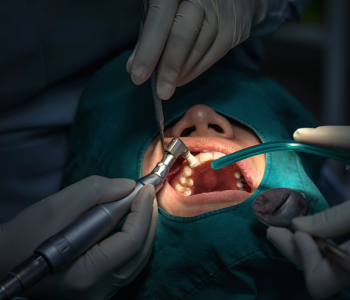
A damaged or weakened tooth can affect more than your smile. It may cause discomfort when chewing, increase the risk of further damage, or make everyday oral care more difficult. Dental crowns are one treatment option dentists use to protect compromised teeth and restore their shape, strength, and function.
At Hakeem Dental, we understand that preserving your natural teeth is an important part of maintaining long-term oral health. Depending on the condition of your tooth, a dental crown may help protect the remaining tooth structure and allow you to chew more comfortably.
Understanding when crowns are recommended, how they work, and how to care for them can help you make informed decisions about your dental treatment.
What Is a Dental Crown?
A dental crown is a custom-made restoration that covers the visible portion of a tooth above the gumline. It is designed to restore the tooth’s shape, size, strength, and appearance.
Dentists may recommend a crown when a tooth has extensive decay, a large filling, a fracture, or significant damage that cannot be adequately addressed with a filling alone. Crowns are also commonly used to restore teeth after root canal treatment when additional protection is needed.
Unlike a filling, which repairs a specific area of a tooth, a crown covers the remaining visible tooth structure. This coverage can help protect the tooth from further damage and restore its ability to function.
Why Are Dental Crowns Important for Your Oral Health?
Dental crowns serve several purposes beyond improving the appearance of a tooth. Their main benefit is restoring and protecting teeth that have become weakened or damaged.
1. How Do Dental Crowns Protect Damaged Teeth?
When a tooth has extensive decay, a large restoration, or a crack, its remaining structure may be more vulnerable to damage. A crown covers the tooth and helps distribute chewing forces across the restoration.
This protection may reduce the risk of further damage when a crown is recommended and properly fitted. However, the amount of protection depends on the tooth’s condition, the crown design, and your bite.
2. Can Dental Crowns Strengthen Teeth After Root Canal Treatment?
Root canal treatment removes infected or inflamed tissue from inside a tooth while preserving the remaining natural structure. Depending on how much tooth structure remains, the treated tooth may need additional protection.
A dental crown can help restore strength and function when a tooth is significantly weakened. Not every tooth that receives root canal treatment automatically requires a crown, so your dentist will assess the location of the tooth and the amount of remaining structure before recommending the appropriate restoration.
3. Can Dental Crowns Restore Your Ability to Chew Comfortably?
A damaged tooth may make it uncomfortable to bite or chew certain foods. By restoring the tooth’s shape and function, a crown can help you use the affected tooth more comfortably.
Your dentist will also check how the restored tooth fits with the opposing teeth. A properly adjusted bite is important for comfort and for reducing excessive pressure on the crown.
4. Can Dental Crowns Improve the Appearance of Your Teeth?
Crowns can improve the appearance of teeth that are significantly discoloured, misshapen, worn, or damaged. Tooth-coloured materials can be selected to complement the surrounding teeth.
Although crowns can provide aesthetic benefits, they are not always the first choice for minor cosmetic concerns. Your dentist may recommend a less extensive treatment if it can address the problem while preserving more natural tooth structure.
5. Can Dental Crowns Support Bridges and Dental Implants?
Crowns also play an important role in certain tooth-replacement treatments.
For a traditional dental bridge, crowns may be placed on supporting teeth to hold the replacement tooth in position. For a dental implant, a crown is attached to the implant system to replace the visible portion of a missing tooth.
These restorations serve different purposes, and the appropriate treatment depends on your oral health, the condition of neighbouring teeth, and the structure of your jaw.
What Types of Dental Crowns Are Available?
Dental crowns can be made from several materials. Each option has different strengths, aesthetic qualities, and suitability for particular teeth.
Porcelain and Ceramic Crowns
Porcelain and other ceramic crowns can provide a natural-looking appearance because their colour can be matched to surrounding teeth. They may be suitable for visible teeth where aesthetics are an important consideration.
Porcelain-Fused-to-Metal Crowns
These crowns combine a metal base with a porcelain outer layer. The metal provides structural support, while the porcelain offers a tooth-coloured appearance. They may be considered for certain restorative needs, depending on the tooth and the patient’s circumstances.
Metal Crowns
Metal crowns are valued for their durability and ability to withstand chewing forces. Their metallic appearance makes them less common for highly visible teeth, but they may be appropriate for selected restorations.
The best material depends on factors such as the tooth’s location, chewing pressure, aesthetic preferences, and available tooth structure. Your dentist can explain the benefits and limitations of each option before treatment.
When Should You Consider Getting a Dental Crown?
A dental crown may be recommended when a tooth needs more protection or support than a filling can provide.
Situations that may require a crown include:
- A tooth with extensive decay or a large filling
- A cracked or significantly weakened tooth
- A tooth that needs additional protection after root canal treatment
- A worn or damaged tooth that requires structural restoration
- A tooth used to support a traditional dental bridge
- A dental implant that needs a final crown restoration
Not every damaged tooth needs a crown. Your dentist will examine the tooth and may recommend dental X-rays when necessary to determine the extent of the damage and the most suitable treatment.
If you experience severe tooth pain, swelling, or a broken tooth, arrange a dental assessment promptly rather than waiting for the problem to worsen.
What Happens During a Dental Crown Procedure?
The crown procedure depends on the tooth’s condition and the type of restoration being used. A typical process involves several steps.
Examination and treatment planning
Your dentist examines the affected tooth, reviews your symptoms, and determines whether a crown is appropriate. Any underlying decay or infection may need to be addressed first.
Preparing the tooth
The dentist reshapes the tooth as needed to create room for the crown. The amount of preparation depends on the material and the tooth’s condition.
Taking impressions or digital scans
Measurements are taken so the crown can be made to fit the prepared tooth and align with your bite.
Placing a temporary crown when needed
A temporary crown may be used to protect the prepared tooth while the final restoration is being made.
Fitting the final crown
Once the crown is ready, your dentist checks its fit, appearance, and bite before securing it in place.
Your dentist will explain the expected number of appointments and any specific instructions for your treatment.
How Long Do Dental Crowns Last?
Dental crowns can last for many years, but their lifespan varies. The material, the location of the tooth, your bite, oral hygiene habits, and everyday wear all influence how long a crown remains in good condition.
To help maintain your crown:
- Brush twice daily with fluoride toothpaste.
- Clean between your teeth every day.
- Attend regular dental examinations and professional cleanings.
- Avoid chewing ice and other hard objects.
- Discuss a night guard with your dentist if you grind or clench your teeth.
- Contact your dentist if your crown feels loose, becomes damaged, or causes discomfort.
A crown covers and protects a tooth, but the tooth underneath can still develop decay, particularly near the crown’s edge. Consistent oral hygiene and regular dental visits remain important.
Are Dental Crowns Better Than Fillings?
Neither treatment is universally better. The right option depends on the amount of tooth structure that remains and the type of damage present.
A filling may be sufficient when decay or damage is limited to a smaller portion of the tooth. A crown may be more appropriate when the tooth is significantly weakened and needs greater coverage and support.
Your dentist will consider the extent of the damage, the tooth’s function, and the goal of preserving as much natural tooth structure as possible. Choosing the appropriate restoration can help avoid unnecessary treatment while providing the support your tooth needs.
Where Can You Get Dental Crowns in Brampton?
If you have a damaged, weakened, or heavily restored tooth, a dental examination can help determine whether a crown is the right solution. Leaving certain types of tooth damage untreated may increase the risk of fractures, discomfort, or more complex treatment later.
At Hakeem Dental, our team can assess your tooth, discuss suitable restorative options, and explain the steps involved in treatment. We aim to help patients understand their choices so they can make informed decisions about their oral health.
Contact Hakeem Dental to schedule an appointment and discuss whether a dental crown may be appropriate for your needs.
Frequently Asked Questions
1. Why would a dentist recommend a crown instead of a filling?
A crown may be recommended when a tooth has extensive damage or insufficient remaining structure to support a filling reliably. A filling is often suitable for smaller areas of decay or damage.
2. Does getting a dental crown hurt?
The tooth is generally numbed with local anaesthesia during preparation. Some sensitivity or gum tenderness may occur afterward, but persistent pain or discomfort should be assessed by your dentist.
3. Do all root canal-treated teeth need crowns?
No. The need for a crown depends on the tooth’s location, the amount of remaining tooth structure, and the forces placed on it. Your dentist will recommend a restoration based on these factors.
4. Can a dental crown develop cavities?
The crown material itself cannot develop decay, but the natural tooth underneath and around its edges can. Brushing, flossing, and regular dental examinations help protect the remaining tooth structure.
5. How should I care for my dental crown?
Brush twice daily, clean between your teeth, attend regular dental visits, and avoid habits that could damage the restoration. Follow any additional instructions provided by your dentist.
6. What should I do if my dental crown becomes loose or falls out?
Contact your dentist promptly for an assessment. Avoid chewing on the affected tooth and do not attempt to permanently reattach the crown yourself. If you experience significant pain or swelling, seek prompt dental care.
7. Are dental crowns suitable for front teeth?
Yes. Crowns can be used on front teeth when a tooth needs sufficient structural restoration. Tooth-coloured materials may be selected to complement the surrounding teeth, depending on the clinical situation.
8. How much do dental crowns cost in Brampton?
The cost depends on the crown material, the condition of the tooth, and whether additional treatment is required. A dental examination can help establish the recommended treatment and provide a cost estimate.